

Why Single Tooth Dental Implant is A Precise Solution For Replacing Missing Teeth
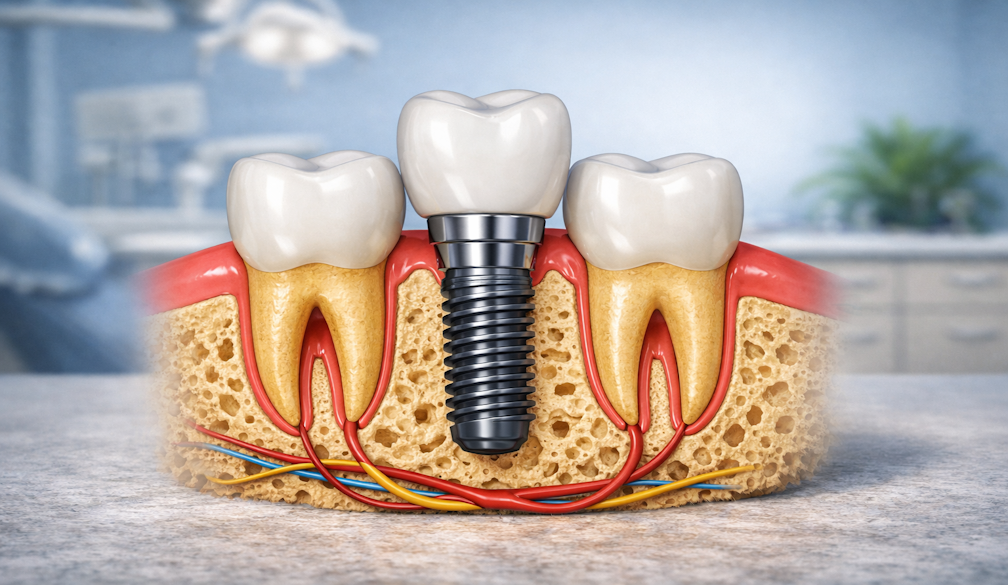
Replacing a missing tooth with a Single Tooth Dental Implant offers a targeted and reliable solution that restores both function and appearance. Losing even a single tooth can affect chewing efficiency, speech clarity, and overall dental alignment. Unlike temporary fixes, a single tooth implant provides a long-term replacement that closely mimics the structure of a natural tooth, ensuring stability and durability.
A single tooth dental implant consists of three main components: the implant post, the abutment, and the crown. The implant post is placed into the jawbone, acting as an artificial root. Once it integrates with the bone, the abutment connects the post to a custom-made crown that matches the surrounding teeth. This structure ensures that the replacement tooth blends seamlessly with the rest of the smile.
The Impact Of Losing A Single Tooth
While losing one tooth may seem like a minor issue, it can lead to several complications if not addressed promptly. The gap left by a missing tooth can cause neighbouring teeth to shift, leading to misalignment and bite problems. Over time, this can affect overall dental structure and increase the risk of additional issues.
Another concern is bone loss in the jaw. When a tooth is missing, the underlying bone no longer receives stimulation, which can lead to gradual deterioration. This can impact facial structure and make future dental treatments more complex. Addressing the issue early helps maintain both function and appearance.
How A Single Tooth Implant Works
The process of placing a single tooth implant involves several carefully planned stages. Initially, a dental professional evaluates the patient’s oral health and bone density to determine suitability. Once approved, the implant post is surgically placed into the jawbone.
After placement, a healing period is required for osseointegration, during which the implant fuses with the bone. This creates a stable foundation for the replacement tooth. Once healing is complete, the abutment and crown are attached, completing the restoration. The result is a tooth that looks and functions like a natural one.
Advantages Over Traditional Replacement Options
Traditional solutions such as dental bridges or removable dentures can address missing teeth, but they often come with limitations. Bridges require support from adjacent teeth, which may involve altering healthy tooth structure. Dentures, on the other hand, may lack stability and require regular adjustments.
A single tooth implant functions independently, preserving the integrity of surrounding teeth. Its stability ensures that it remains securely in place, allowing for normal chewing and speaking. This independence makes it a preferred option for individuals seeking a long-term solution.
Maintaining Natural Appearance And Function
One of the key benefits of a single tooth implant is its ability to replicate the appearance of a natural tooth. The custom-made crown is designed to match the colour, shape, and size of existing teeth, ensuring a seamless integration with the smile.
Functionality is equally important. The implant provides a strong foundation that allows patients to eat a wide range of foods without discomfort. This restoration of normal function contributes to improved quality of life and confidence in daily activities.
The Role Of Bone Health In Implant Success
Bone health plays a crucial role in the success of a dental implant. Adequate bone density is required to support the implant and ensure proper integration. In cases where bone loss has occurred, additional procedures such as bone grafting may be recommended to create a suitable foundation.
Maintaining bone health after the procedure is equally important. The implant continues to stimulate the bone, helping to preserve its structure and prevent further deterioration. This benefit distinguishes implants from other tooth replacement options.
Recovery And Aftercare Considerations
Recovery from a single tooth implant procedure is generally manageable, with most patients experiencing mild discomfort that subsides within a few days. Following the dentist’s aftercare instructions is essential for ensuring proper healing and integration.
This includes maintaining good oral hygiene, avoiding excessive pressure on the implant site, and attending follow-up appointments. Proper care during the recovery phase contributes to the long-term success of the implant.
Long-Term Maintenance And Durability
A single tooth implant is designed to be a durable and long-lasting solution. With proper care, it can last for many years without requiring replacement. Regular dental check-ups and consistent oral hygiene practices are essential for maintaining its condition.
Unlike some other dental restorations, implants do not require special cleaning methods beyond standard oral care routines. This makes them a convenient option for individuals seeking a low-maintenance solution for tooth replacement.
Suitability And Personalised Treatment Planning
Not every patient is immediately suitable for a single tooth implant, as factors such as overall health, bone density, and oral hygiene habits must be considered. A thorough evaluation helps determine the most appropriate treatment approach.
Personalised treatment planning ensures that the procedure is tailored to the individual’s needs. This approach improves outcomes and ensures that the implant integrates successfully with the existing dental structure.
Conclusion
A single tooth dental implant provides a precise and effective solution for replacing a missing tooth. By restoring both function and appearance, it supports long-term oral health and overall confidence. With proper care and professional guidance, this treatment offers a reliable and durable option for maintaining a complete and healthy smile.