How Ceiling Fans Improve Air Circulation And Home Comfort
Air circulation plays a crucial role in maintaining a comfortable indoor environment. Proper airflow helps regulate temperature, reduce humidity, and improve overall comfort within living spaces. One of the most effective ways to achieve consistent airflow is by installing ceiling fans in different areas of the home. These versatile appliances provide an energy-efficient solution for improving air movement while complementing modern interior design.
Understanding How Ceiling Fans Work
Ceiling fans operate by rotating blades that push air downward, creating a gentle breeze within the room. This movement of air produces a cooling effect on the skin, making occupants feel more comfortable even when temperatures remain constant.
Unlike air conditioning systems that cool the air itself, ceiling fans primarily improve airflow and distribute air evenly throughout the room.
Because they rely on simple mechanical motion, ceiling fans consume far less energy than many other cooling systems.
Enhancing Indoor Comfort During Warm Weather
During warm weather, ceiling fans help create a cooling effect by circulating air across the room. The movement of air increases evaporation of moisture on the skin, which helps individuals feel cooler.
This natural cooling effect allows homeowners to rely less on air conditioning systems. By combining ceiling fans with air conditioning, it is often possible to raise the thermostat temperature without sacrificing comfort.
This approach reduces energy consumption while maintaining pleasant indoor conditions.
Supporting Air Circulation Throughout The Home
Ceiling fans are designed to distribute air evenly throughout a room. Without proper air circulation, certain areas may feel warmer or more stagnant than others.
By continuously moving air, ceiling fans prevent hot and cold spots within living spaces. This consistent airflow helps maintain balanced temperatures throughout the home.
In larger rooms or open-plan living areas, ceiling fans are particularly effective at maintaining uniform air movement.
Year Round Benefits Of Ceiling Fans
Many modern ceiling fans include reversible motors that allow the direction of blade rotation to be changed. During winter months, reversing the fan direction helps circulate warm air that naturally rises toward the ceiling.
This feature improves heat distribution and allows heating systems to operate more efficiently. By pushing warm air downward, ceiling fans help maintain comfortable indoor temperatures during colder seasons.
This year-round functionality makes ceiling fans a versatile addition to any home.
Choosing The Right Ceiling Fan For Your Space
Selecting the appropriate ceiling fan depends on the size and layout of the room. Larger rooms typically require fans with longer blades to move air effectively across the space.
Ceiling height is another important factor. Rooms with high ceilings may require downrods that position the fan at the optimal height for airflow.
For smaller rooms such as bedrooms or study areas, compact fans often provide sufficient air circulation without overwhelming the space.
Energy Efficiency And Environmental Benefits
Ceiling fans are widely recognised for their energy efficiency. Compared with air conditioning systems, they require minimal electricity to operate while still improving comfort levels.
Using ceiling fans regularly can help reduce energy consumption and lower electricity costs. This makes them an environmentally friendly option for maintaining comfortable indoor environments.
Energy-efficient appliances also contribute to sustainable living by reducing overall energy demand.
Design And Aesthetic Appeal
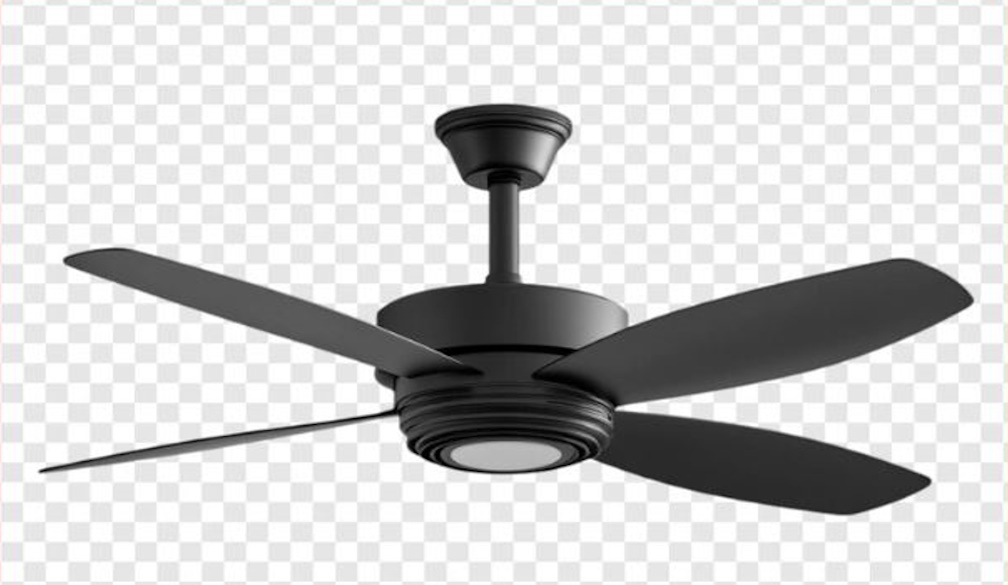
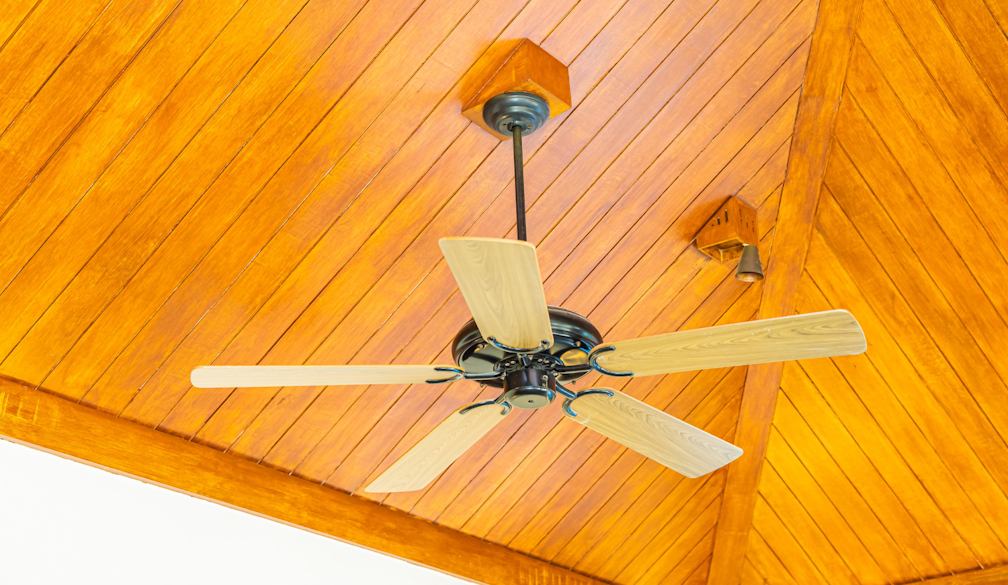
Modern ceiling fans are available in a wide range of designs that complement different interior styles. Some models feature sleek metallic finishes that suit contemporary homes, while others incorporate wooden blades for a more traditional appearance.
Fans with integrated lighting fixtures also serve dual purposes by providing both illumination and airflow.
These design options allow homeowners to select ceiling fans that enhance both the functionality and visual appeal of their living spaces.
Maintaining Ceiling Fans For Optimal Performance
Regular maintenance helps ensure that ceiling fans continue operating efficiently. Dust accumulation on fan blades can reduce airflow and should be cleaned periodically.
Checking mounting brackets and screws helps maintain stability and prevent vibrations during operation. If unusual noises occur, inspecting the fan for loose components can often resolve the issue.
Proper maintenance helps extend the lifespan of ceiling fans and ensures consistent performance.
Improving Comfort Through Efficient Airflow
Ceiling fans remain one of the most practical solutions for improving indoor air circulation. Their ability to create gentle airflow, support energy efficiency, and complement interior design makes them a valuable addition to any home.
By installing ceiling fans in appropriate locations and maintaining them properly, homeowners can enjoy comfortable living environments throughout the year while reducing energy costs.