Stainless Steel Mesh vs. Aluminium Mesh Security Screens
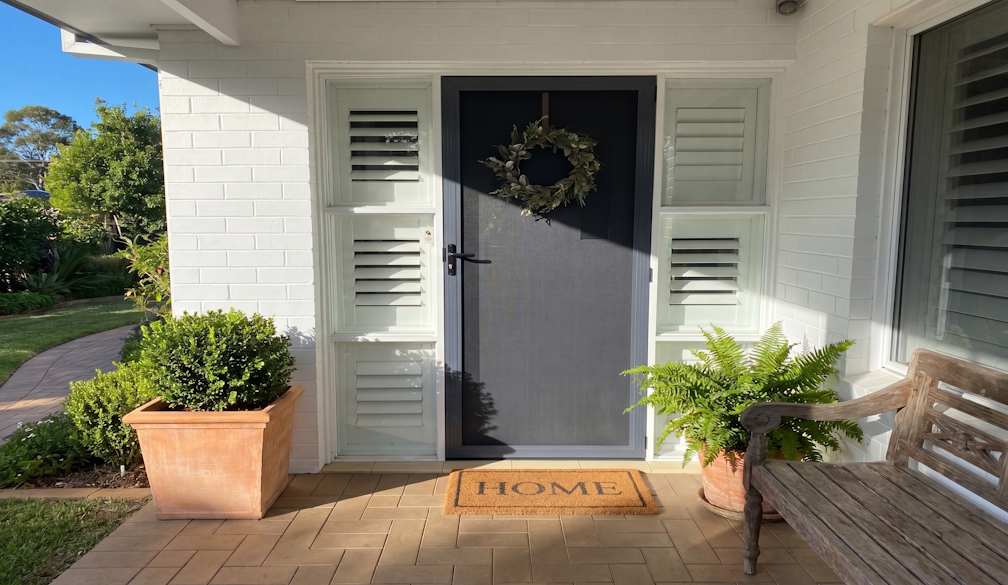
If you've started looking into security screens for your home, you've probably noticed two materials come up again and again: stainless steel and aluminium. Both are legitimate, both can meet Australian security standards, and both will keep your home safer than no screen at all. But they're not interchangeable, and the right choice depends on where you live, what you're protecting against, and what matters most to you day to day.
This guide breaks down how the two compare, so you can make a decision that actually fits your home rather than just picking whatever the first supplier recommends.
How the Two Materials Are Actually Made
The construction method is the first big difference, and it explains almost everything else that follows. Woven stainless steel mesh is made from individual strands of stainless steel woven together, almost like a checkerboard, while perforated aluminium is a single sheet of aluminium with holes punched out.
That difference in construction shapes how each performs. Stainless steel's woven structure spreads force across many fine strands, which is part of why it handles impact and cutting attempts so well. Aluminium's solid-sheet design, on the other hand, tends to offer more privacy and a slightly different look, since you're looking through punched holes rather than a woven pattern.
Strength: Where Stainless Steel Pulls Ahead
If your main priority is resistance to forced entry, the research consistently points one way. Stainless steel security mesh is generally stronger due to its woven structure and high tensile strength, making it more resistant to cutting and impact than aluminium alternatives.
Other comparisons echo this. Thanks to its dense composition, stainless steel mesh can withstand greater impact and force without bending or breaking, and is highly resistant to cutting, making it well suited to high-security applications. Aluminium, while still durable, is lighter and more malleable, and high-grade aluminium screens can offer good protection when reinforced, but typically can't match the raw strength of stainless steel.
That said, aluminium isn't a weak option by any means. Aluminium Strathfield security screen doors can meet Australian Standards when constructed with reinforced frames and high-quality mesh, although aluminium mesh can be more easily cut or bent under sustained pressure compared to stainless steel. For many homes, particularly those in lower-risk areas, that level of protection is more than sufficient.
Corrosion Resistance: It Depends Where You Live
This is where the comparison gets more nuanced, and where your location really matters.
Aluminium is corrosion-resistant but may not be ideal for highly corrosive environments, while stainless steel excels in extreme conditions and offers superior corrosion resistance. Aluminium is rustproof and holds up well in humid conditions, but in extremely salty environments such as beachfront properties, surface treatments may degrade faster over time without proper maintenance.
Stainless steel, particularly the marine-grade variety, is built for exactly those harsher conditions. Marine-grade stainless steel, typically 316 grade, offers excellent protection against corrosion even in areas exposed to sea spray, and maintains its structural integrity over time with minimal degradation. If you're closer to the coast, this is a meaningful point in stainless steel's favour. If you're well inland, the difference matters much less.
Maintenance needs differ too. Stainless steel benefits from occasional washing to maintain its appearance, while aluminium needs cleaning roughly every three to six months to prevent salt build-up and surface discolouration, particularly in coastal pockets.
Weight and Installation
Aluminium has a practical advantage that's easy to overlook: it's lighter. For large-scale projects or situations where weight is a concern, such as second-storey windows, aluminium may be the preferred choice, while stainless steel, though heavier, offers a more solid and sturdy feel.
That weight difference can also affect cost. Aluminium mesh provides excellent ventilation and sunlight penetration, and is available in various mesh sizes from standard to finer options, giving homeowners flexibility depending on insect activity in their area. It's also generally the more budget-friendly option upfront, since the material and labour costs both tend to come in lower than stainless steel installations.
Airflow and Visibility
Both materials are designed to let air through while keeping pests and intruders out, but there are subtle differences. Stainless steel mesh generally offers superior visibility thanks to its thin, high-tensile wires, which provide a nearly invisible barrier without sacrificing strength, and also allows for better airflow. Aluminium mesh can vary in thickness and openness, which can slightly reduce both visibility and ventilation compared to stainless steel, though higher-grade aluminium products narrow that gap considerably.
So, Which One Should You Choose?
There's no single right answer here, it genuinely comes down to your home, your location, and your priorities.
If you live near the coast, want maximum strength, or simply want the most premium option available, stainless steel is usually worth the extra investment. If you're inland, working with a tighter budget, or installing across a large area like upper-storey windows where weight matters, aluminium remains a solid, standards-compliant choice.
This is exactly the kind of decision that benefits from local knowledge. Homeowners researching a reliable Inner West Sydney security screen solution often need to weigh up older home designs with original timber frames against the practicalities of fitting modern mesh, while those looking into Strathfield security screens are frequently balancing family homes with a real need for affordable, dependable home security specialists that hold up to daily use without blowing the budget. A good local supplier will walk you through both materials side by side, rather than pushing you toward whichever option has the highest margin.
The Bottom Line
Stainless steel and aluminium are both legitimate, Australian Standards-compliant choices for home security screens, they just suit slightly different needs. Stainless steel leans toward maximum strength and coastal durability. Aluminium leans toward affordability, lighter weight, and easier installation. Knowing your priorities before you start shopping will save you time, money, and a fair bit of back-and-forth with suppliers trying to sell you the wrong product for your home.