
How Traffic Light System and Traffic Management Systems Keep Cities Moving Safely
Rising vehicle ownership, busy intersections, and the need to prioritize pedestrians, cyclists, and public transport all create challenges for traffic flow. To keep cities safe and efficient, authorities rely on two essential tools: the Traffic Light System and advanced Traffic Management Systems. Together, these systems ensure that roads are not only safer but also more efficient and environmentally sustainable.
The Importance of Traffic Light Systems
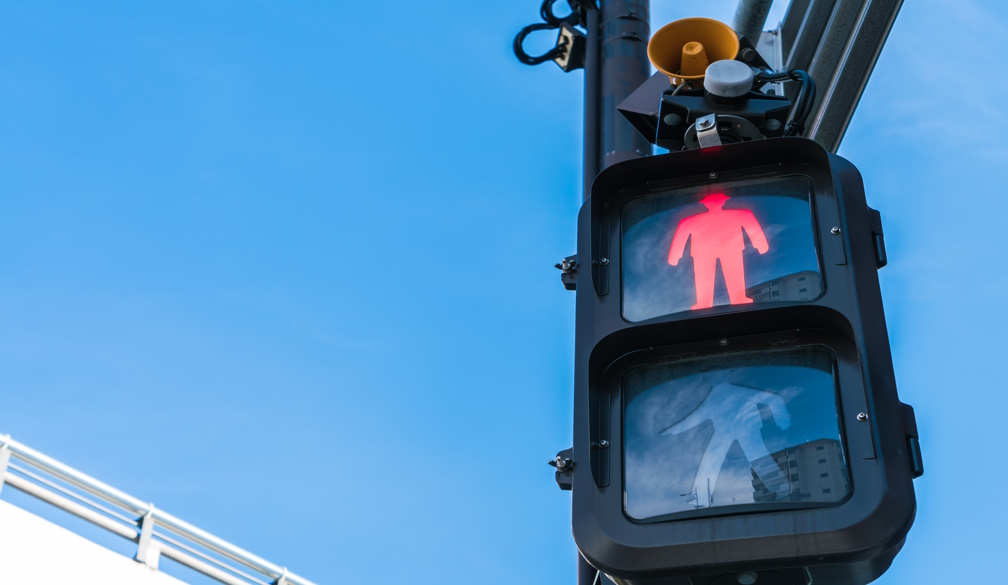
The Traffic Light System is one of the most recognizable features of modern cities. These red, yellow, and green signals may seem simple, but they are critical for regulating the flow of vehicles and pedestrians at intersections. Without them, road chaos would be inevitable. They provide structure, reduce the likelihood of collisions, and create an orderly sequence that allows all road users to move fairly and safely. In high-traffic cities like Melbourne and Sydney, they are the foundation of road management.
How Traffic Light Systems Work in Practice
Modern Traffic Light Systems are no longer static. They use sensors, cameras, and advanced algorithms to adjust in real time. For example, during peak hours, signal cycles can be extended to allow heavier traffic flows, while quieter periods may see shorter cycles. Some systems even prioritize buses and trams, ensuring public transport runs smoothly. Emergency services also benefit, as traffic lights can be programmed to give ambulances or fire trucks priority through busy intersections.
The Role of Traffic Management Systems
While traffic lights control individual intersections, Traffic Management Systems manage entire road networks. These systems collect and analyze data from a variety of sources, including traffic cameras, GPS, and weather reports. By monitoring conditions across a city, they allow authorities to respond quickly to accidents, breakdowns, or congestion. They also coordinate multiple traffic lights to ensure smoother traffic flow across corridors, reducing bottlenecks and unnecessary delays.
Reducing Congestion and Travel Times
Congestion is one of the biggest challenges for urban planners. Sitting in traffic wastes time, fuel, and money while contributing to air pollution. Traffic Management Systems address this by optimizing the timing of traffic lights, rerouting vehicles, and using real-time updates to improve flow. By smoothing traffic movement, they help shorten travel times, reduce frustration for drivers, and improve overall productivity in cities.
Enhancing Road Safety
Safety is at the heart of both the Traffic Light System and larger Traffic Management Systems. Well-timed signals prevent accidents at intersections, where collisions are most common. Management systems also monitor dangerous conditions such as speeding vehicles, blocked lanes, or poor weather visibility. By quickly responding to hazards, these systems reduce the risk of accidents and protect all road users, including vulnerable pedestrians and cyclists.
Technology and Innovation in Traffic Systems
Technology has transformed how roads are managed. Smart Traffic Light Systems can now communicate with connected vehicles, offering real-time updates and warnings. Similarly, Traffic Management Systems incorporate artificial intelligence to predict congestion patterns, making proactive adjustments before problems arise. These innovations represent the future of transportation, laying the groundwork for autonomous vehicles and smarter cities.
Supporting Public Transport and Active Mobility
Efficient traffic systems go beyond cars. They must also integrate public transport, bicycles, and pedestrians. Traffic Management Systems prioritize trams and buses at intersections, reducing delays for thousands of passengers. Dedicated pedestrian phases in Traffic Light Systems provide safer crossings, while cyclist-friendly signals encourage more people to use sustainable transport. By balancing the needs of all road users, these systems promote healthier, greener cities.
Environmental Benefits of Smarter Traffic Flow
The impact of traffic goes beyond congestion. Idling vehicles release harmful emissions, contributing to air pollution and climate change. By reducing stop-and-go traffic, Traffic Management Systems help lower fuel consumption and emissions. Over time, this contributes to cleaner air and more sustainable urban environments. Cities adopting smarter traffic solutions are not only improving safety but also addressing environmental goals.
Economic Benefits for Cities
Time lost in traffic has a measurable economic cost. Long commutes reduce productivity and increase fuel expenses for individuals and businesses. By improving traffic efficiency, Traffic Management Systems reduce these costs and improve economic performance. Businesses benefit from faster logistics, commuters enjoy shorter travel times, and cities attract investment by showcasing modern infrastructure.
Why Ongoing Investment Is Essential
As cities continue to grow, traffic management must evolve. Without investment in modern Traffic Light Systems and integrated Traffic Management Systems, congestion and accidents will only worsen. Upgrading signals, adopting smart technologies, and expanding monitoring networks are necessary steps for creating safer, more efficient cities. Governments and councils that prioritize these systems are investing not just in transport but in the long-term wellbeing of their communities.
Conclusion: Building Safer and Smarter Roads
The challenges of modern urban traffic require intelligent solutions. The Traffic Light System provides order and safety at intersections, while Traffic Management Systems oversee the bigger picture with advanced monitoring and control. Together, they reduce congestion, enhance safety, and deliver environmental and economic benefits. As cities like Melbourne continue to grow, these systems will play an even greater role in shaping safe, efficient, and sustainable roads for the future.