The Environmental Advantages of Engineered Timber Flooring
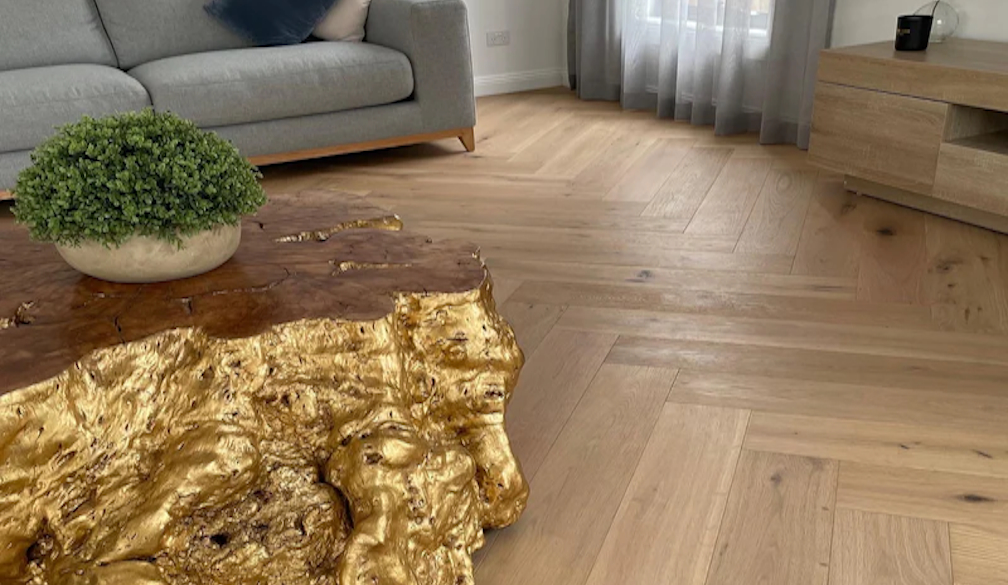
In recent years, the push for sustainability has permeated nearly every industry, with the construction and interior design sectors being no exception. One of the most notable shifts has been the growing popularity of engineered timber flooring. Not only does this flooring option offer aesthetic appeal and durability, but it also boasts several environmental advantages, making it a preferred choice for eco-conscious homeowners and builders, especially in regions like Melbourne.
Sustainable Resource Management
Engineered timber flooring is often lauded for its sustainable sourcing. Unlike traditional solid timber flooring, which is made from a single piece of wood, engineered timber floors are constructed using multiple layers of wood products. The top layer, or veneer, is made from high-quality hardwood, while the core layers can be made from less expensive, faster-growing wood species or even recycled materials. This layered construction means that fewer slow-growing hardwood trees are needed, allowing for more sustainable forestry practices.
In Australia, many companies sourcing timber for engineered flooring adhere to strict environmental standards, such as those set by the Forest Stewardship Council (FSC). These standards ensure that the wood used is harvested responsibly, with a focus on maintaining biodiversity, water resources, and the overall health of forest ecosystems.
Reduced Carbon Footprint
The carbon footprint of engineered timber floors is generally lower than that of other flooring options, such as tiles or concrete. The production process for engineered timber requires less energy and emits fewer greenhouse gases. Additionally, the core layers of engineered timber flooring often consist of wood by-products or fast-growing species, which sequester carbon quickly, further reducing the overall carbon impact.
Moreover, because engineered timber flooring can be installed over existing floors without the need for extensive subfloor preparation, the installation process generates less waste and requires fewer resources. For homeowners in Melbourne looking to minimise their environmental impact, opting for engineered timber floors is a step in the right direction.
Longevity and Durability
One of the key environmental advantages of engineered timber flooring is its longevity. Engineered timber is designed to withstand changes in humidity and temperature, making it less prone to warping or cracking compared to solid wood. This durability means that engineered timber floors can last for decades, reducing the need for frequent replacements and, consequently, the demand for new raw materials.
In addition, the top veneer of engineered timber flooring can often be sanded and refinished several times throughout its lifespan. This ability to restore and refresh the flooring extends its usability and further lessens its environmental footprint, as it reduces the need for new flooring materials.
Waste Reduction
The production of engineered timber flooring makes efficient use of wood resources. The process utilises wood offcuts and by-products that might otherwise be discarded, ensuring that more of each harvested tree is used. This approach to manufacturing helps reduce waste in the timber industry and promotes a more circular economy.
Furthermore, many engineered timber floors are available with eco-friendly finishes and adhesives, which are low in volatile organic compounds (VOCs). These low-VOC products contribute to better indoor air quality and reduce the release of harmful chemicals into the environment during production and after installation.
Recyclability and End-of-Life Impact
At the end of its life, engineered timber flooring is often recyclable. The wood components can be repurposed for other products, such as particleboard or bioenergy, reducing the amount of waste that ends up in landfills. For homeowners in Melbourne seeking sustainable flooring solutions, engineered timber floors offer a recyclable option that aligns with broader environmental goals.
In summary, the environmental advantages of engineered timber flooring make it an excellent choice for those looking to reduce their ecological footprint without sacrificing style or functionality. From sustainable sourcing and reduced carbon emissions to durability and waste reduction, engineered timber floors provide a flooring solution that supports both the environment and the homeowner's design vision. For residents of Melbourne, where sustainability is increasingly becoming a priority, engineered timber floors in Melbourne is a fitting keyword to keep in mind when searching for eco-friendly flooring options.